
Small Business Survival
On April 21, 2020, In Industry News by Tony Ramos
by Tony Ramos
MANHATTAN BEACH, CA - On Saturday, my wife and I went to get takeout lunch from one of our favorite restaurants in the South Bay of Southern California. The Fishbar, located in Manhattan Beach, is situated about 200 yards from the sand of what is considered one of the top beaches in California. The Fishbar is known for offering the freshest seafood, with fish flown in from around the world. The restaurant exudes a relaxed beach setting, and offers friendly and exemplary service.
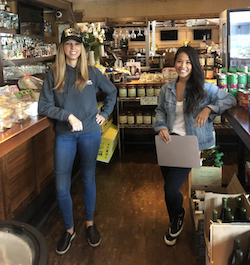
Upon entering the restaurant, wearing face masks and standing 6 feet apart from anyone else, we immediately noticed that half of the restaurant had been converted into a grocery store. Beautifully displayed were all types of canned goods, staples, condiments, fresh food for cooking, pre-cooked meals, desserts, wine, and a wide assortment of other necessary food staples for any home. I was immediately struck by the creativity, innovation, and wherewithal of this small business to transform itself in response to COVID-19.
Upon inquiring who came up with this genius idea, I was told that Jessica Jordan, executive chef and managing partner of the Fishbar, was the brains behind this novel idea. I should also note that her employees working on Saturday confirmed for me that Jessica is a genius.
I have always felt that small businesses can learn from other small businesses, regardless of the industry. The following is a brief interview with Jessica on how the idea of transforming half of a seafood restaurant into a grocery store came about and what it has meant during this trying time for the restaurant, its employees, and the local community.
When did you come up with the idea of the grocery store, and how long did it take you to implement your plan?
I had been fearing the closure of dine-in restaurants was coming for a couple of weeks. The entire time leading up to the moment it happened, I didn’t know what we would do. I hoped maybe we would be able to survive on a skeleton crew and takeout food, depending on how long the closures would last. I thought a lot about our takeout food business and how to grow it. I thought even more about all the employees we would no longer be able to support and their families.
When it was finally announced, I thought everything was over, for about 15 minutes. Then I finally when into survival mode. I stopped thinking about what we had just lost and asked myself what we still had. We had essential goods and we had distribution channels at our fingertips. Realizing that, we started to pivot. We immediately started moving tables and setting up aisles. I placed orders for items I knew were no longer in the grocery or department stores, we got out our paintbrushes to make homemade signs we hung outside the building, and the next morning we were offering goods to the community they had been unable to get in stores.
Who did you purchase the grocery items from?
We used our current vendors for the restaurant. We took the time to sit down and discuss what they have and we think people need. Our orders changed daily as we learned from the guests what items were in demand. We took, and still do take, requests for items people cannot find in the grocery store. It is a constant learning process.
Who was responsible for setting up the grocery store (the merchandising and displays)?
It is a team effort. We were fortunate enough to be able to keep some employees on with us to operate the new business model. Our staff is comprised of people of incredible character who always show up with a desire to do the best they can each day. Everyone assists in stocking the shelves, and helping us to put our best foot forward. We may now sell things like toilet paper, but we will always offer hospitality and work as a team.
What has the response been within the community to the grocery store?
We have gotten great feedback from the community! So many of our neighbors have thanked us for finding a way to still support our neighborhood. We have been told over and over that we are offering things markets cannot keep in stock and the safety of curbside pickup/no-contact transactions is reassuring to many.
Has the implementation of the grocery store allowed you to keep people employed who you would have otherwise had to lay off during the lockdown?
Yes. Initially, we contacted our staff and told them for the time being, everyone is off the schedule. Once we started getting grocery orders, we were able to call several people back to work. We wish we had been able to keep everyone!
Is the grocery store producing positive income for the Fishbar?
We have been successful enough to keep some employees and provide to our community. We created a model that will sustain us until we can open up again. It feels great to be doing something good and giving back in the way that we can—so yes, we are happy.
Tony Ramos is publisher of Patio & Hearth Products Report, Torrance, Calif.


